

Rail is one of the most complex operational environments in modern infrastructure. Everyday millions of passengers rely on a network that must balance safety, reliability, regulation, and operational efficiency.
In this context, innovation cannot simply be introduced in the same way it might be in consumer technology or software development. New systems must operate within tightly controlled environments, often interacting with legacy infrastructure, operational procedures, and multiple stakeholder groups.
This means that the most successful transport innovations are rarely the most technologically complex. Instead, they are the solutions that are designed with the realities of live operational environments in mind.
The Gap Between Ideas and Deployment
Across the transport sector there is no shortage of ideas. New technologies emerge constantly, from artificial intelligence and sensor networks to advanced data analytics and automation.
However, many promising technologies never move beyond early trials or demonstration projects. The reason is simple: innovation in transport is rarely a purely technical challenge.
For a new solution to succeed, it must also address operational constraints, infrastructure compatibility, regulatory frameworks, and human behaviour. If any one of these elements is overlooked, deployment becomes significantly more difficult.
This is why transport innovation often requires a multidisciplinary approach that combines engineering, behavioural insight, and operational understanding.
Designing for the Passenger Environment
One area where this challenge becomes particularly visible is within stations.
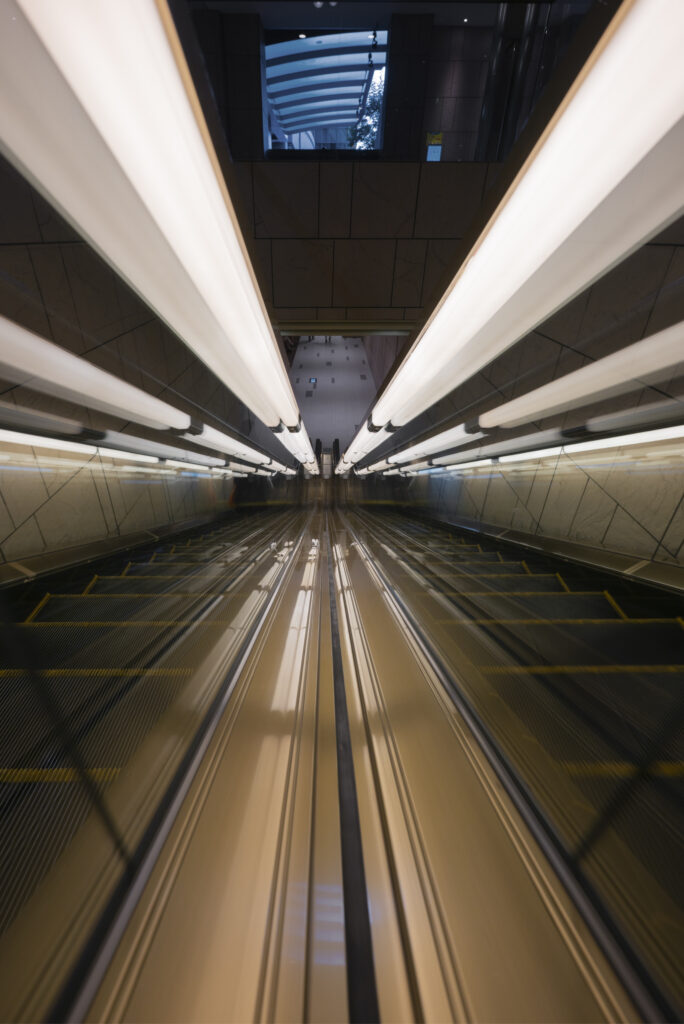
Stations are complex sensory environments where passengers are simultaneously exposed to signage, announcements, advertising, crowd movement, and time pressure. In this context, even simple tasks such as locating a platform or responding to an announcement can become difficult.
Solutions that focus solely on adding more information often fail to improve the situation. In many cases they contribute to cognitive overload.
Instead, successful interventions often involve rethinking how information is communicated. Visual cues, spatial signals, and targeted messaging can sometimes be more effective than traditional signage or announcements.
This kind of behavioural design approach is increasingly important as passenger numbers grow, and stations become more complex environments.
Data and Insight
Another area where innovation is rapidly changing the transport sector is data.
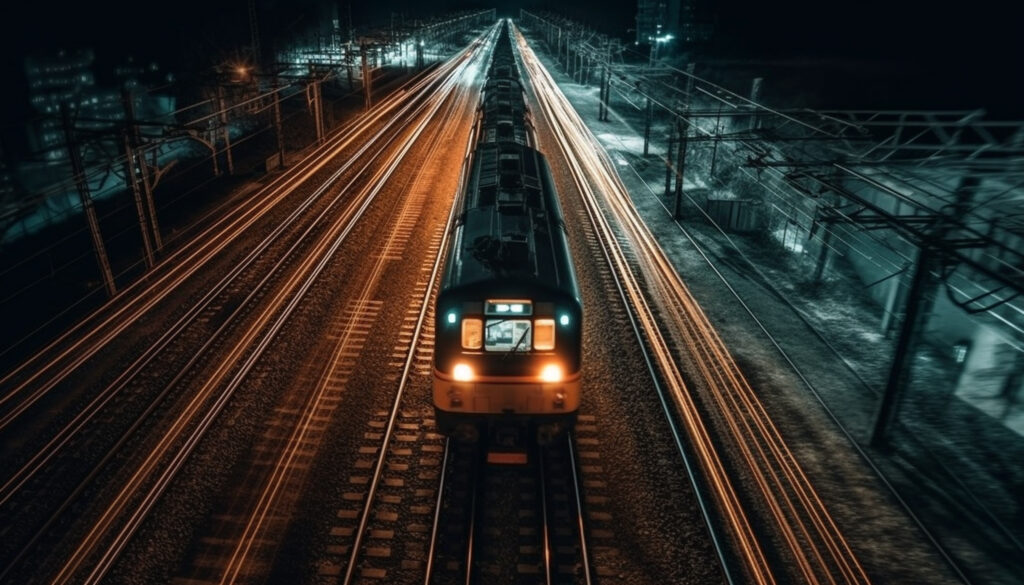
Rail networks generate enormous amounts of information about passenger flows, infrastructure usage, and operational performance. However, this data is often fragmented across different systems and organisations.
Turning these datasets into clear operational insight is a key challenge for modern rail systems.
Better understanding how passengers move through the network can help operators improve service planning, optimise infrastructure investment, and enhance passenger experience.
Innovation That Works in the Real World
For transport innovation to succeed, it must be designed with deployment in mind from the very beginning.
This means asking critical questions early in the development process:
- Will the system work within existing infrastructure?
- How will passengers and staff interact with it?
- Can it integrate with operational procedures?
- Is it commercially viable to deploy at scale?
Answering these questions early helps ensure that innovation moves beyond theory and into real-world application.
A Practical Approach to Innovation
The future of rail innovation will depend on solutions that combine technological capability with operational practicality.
The goal is not simply to create new technology, but to create systems that genuinely improve how transport network’s function.
When innovation is designed for real environments, it has the potential to deliver meaningful improvements in safety, efficiency, and passenger experience across the transport sector.